Dutch Denim & Streetwear, Decoded
Storyporchlistlm is a field guide to the Netherlands' contemporary fashion scene — from raw selvedge denim workshops in Amsterdam to the independent studios reshaping what "Made in the Netherlands" means. No hype, no filler: just detail on the labels, fabrics and fits worth your attention.
Browse the guidesFive ways into Dutch fashion
Each guide below covers one corner of the scene in depth — comparisons, pros and cons, and what to actually look for before you buy.
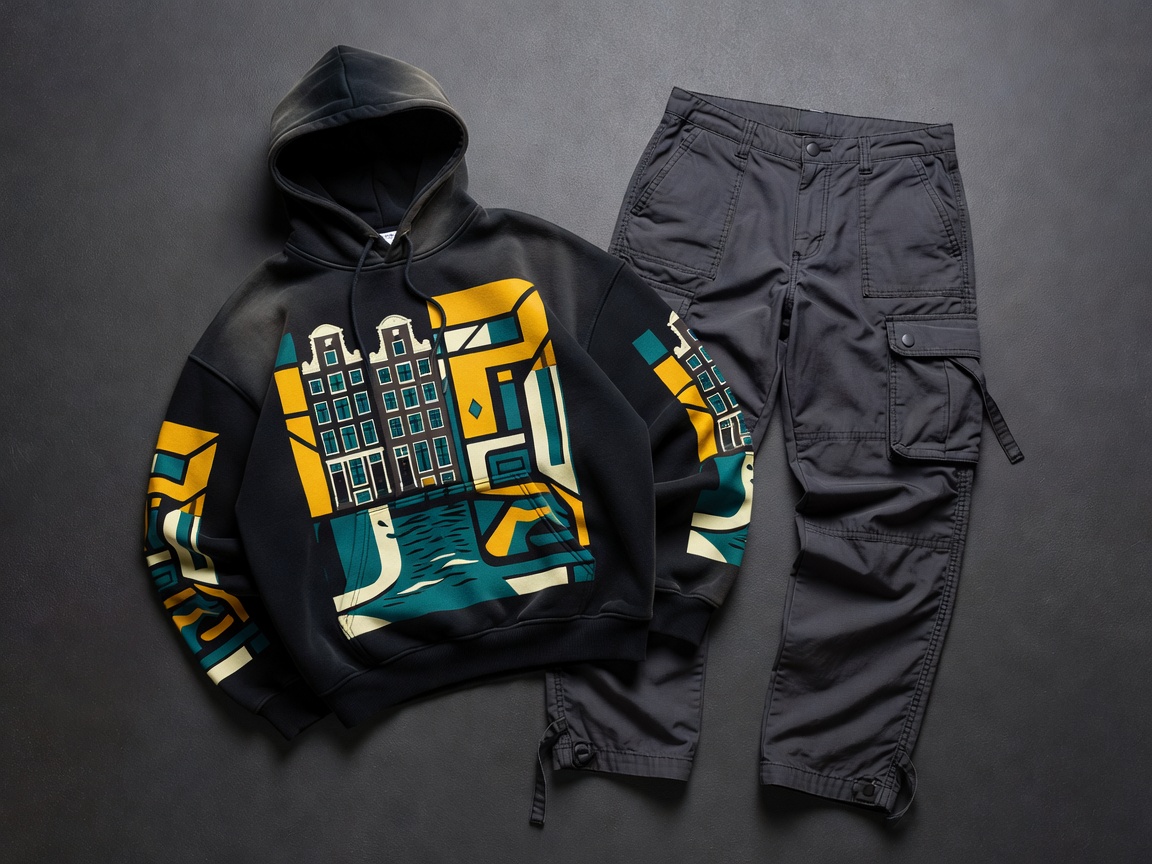
Dutch Streetwear Brands
Skate, cycling and club culture filtered through minimalist Dutch design instincts.
Read the guide →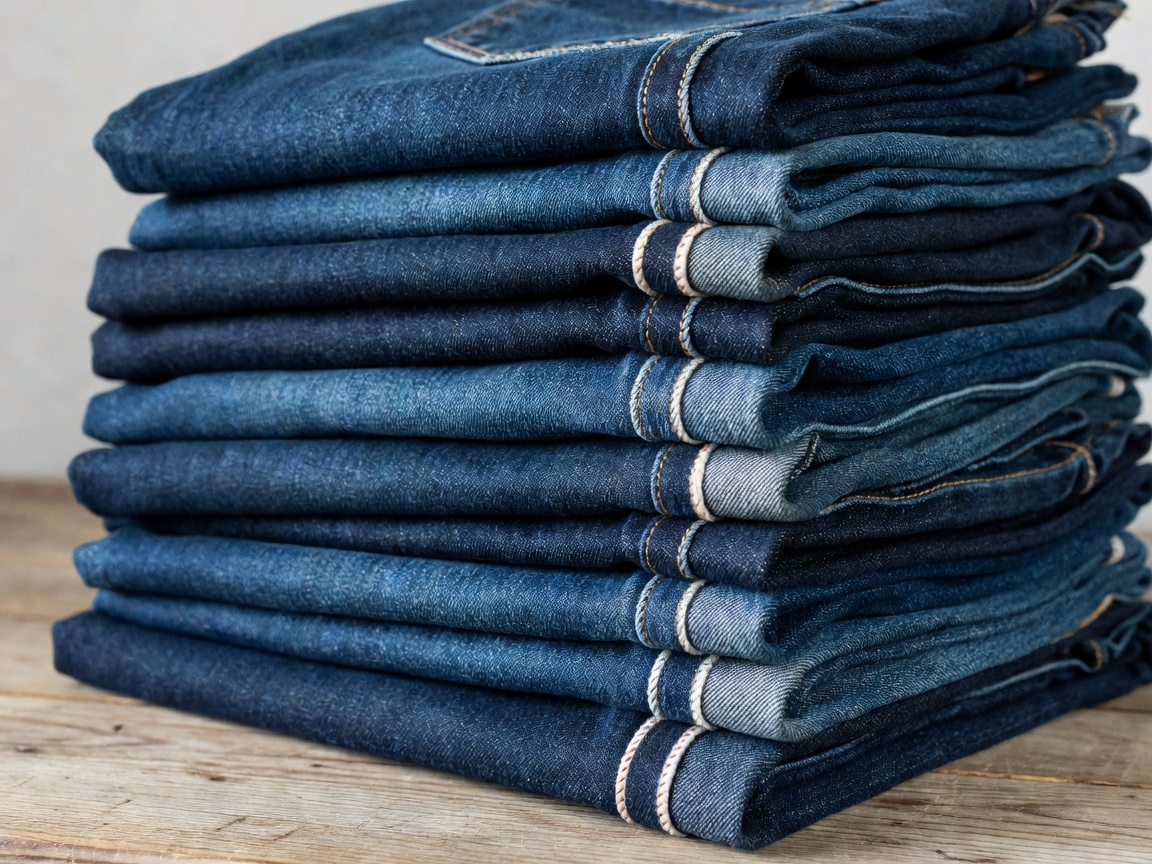
Sustainable & Ethical Denim
How Dutch labels like Kings of Indigo are rethinking fibers, dyeing and durability.
Read the guide →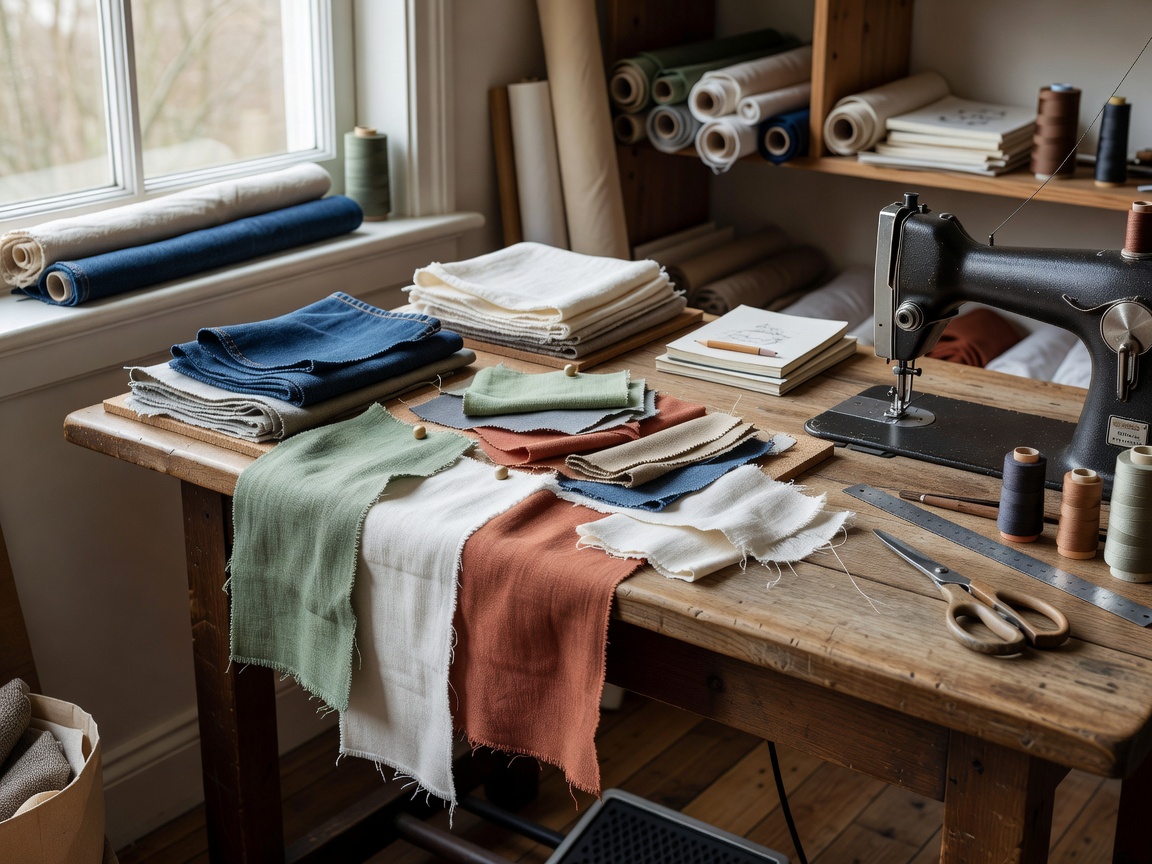
Independent Dutch Designers
Spotting genuine small-batch labels versus mass-market lookalikes.
Read the guide →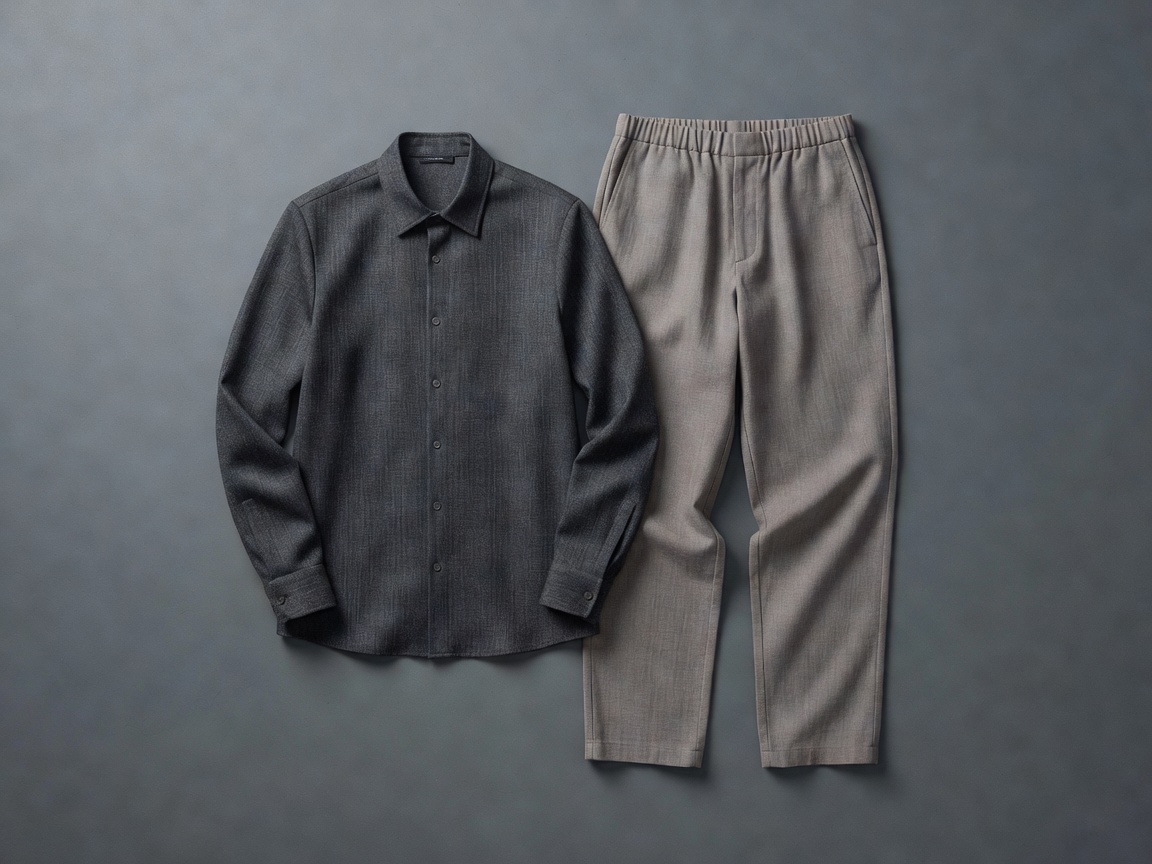
Contemporary Menswear
Smart-casual Dutch tailoring for people who cycle to work in it.
Read the guide →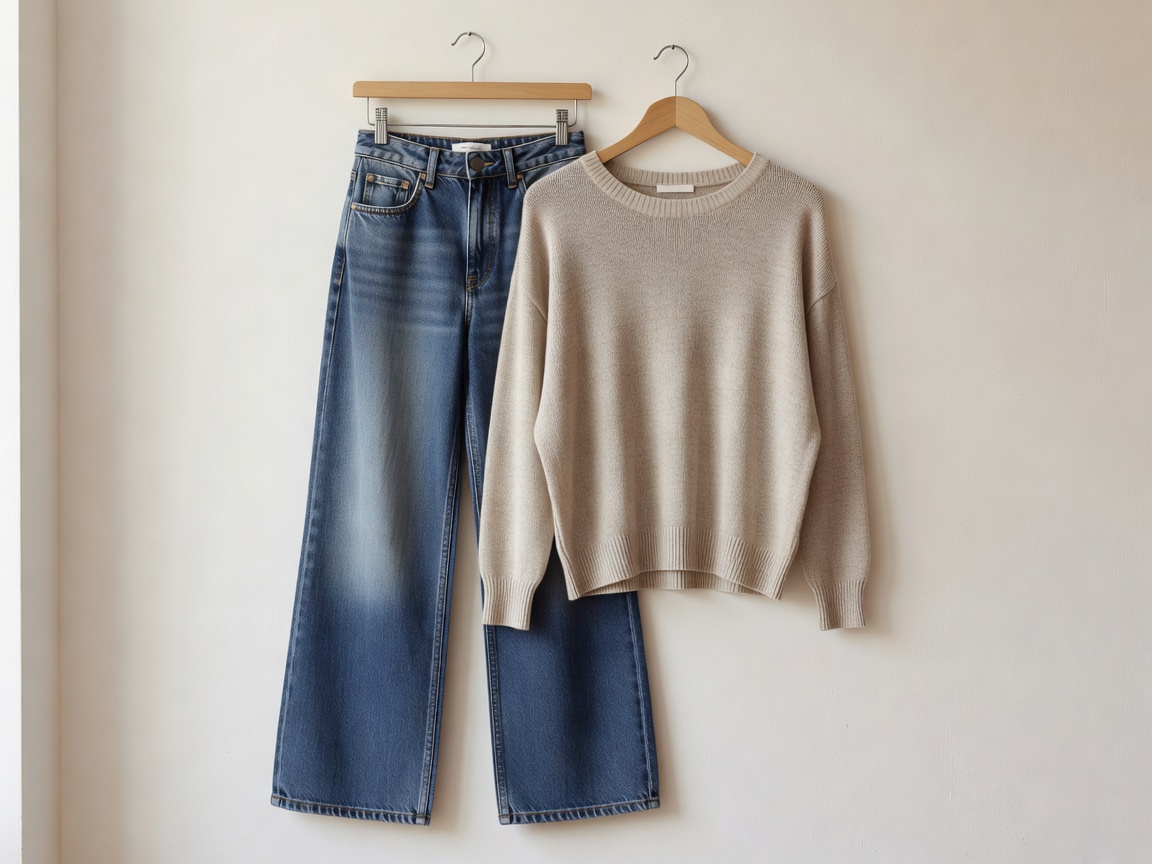
Womenswear & Casual Fashion
Functional silhouettes built for bikes, weather and layering.
Read the guide →Why Amsterdam keeps punching above its weight
The Netherlands has a small population but an outsized influence on European denim and streetwear. Cycling culture pushed designers toward durable, weather-ready fabrics decades before "functional fashion" became a marketing phrase. A strong graphic design tradition — from De Stijl to contemporary type foundries — shows up in the restrained logos and typographic prints favoured by Dutch labels. And a dense, well-connected creative economy means small studios can access the same mills, printers and pattern cutters as bigger houses, without needing bigger houses' budgets.
That combination — practicality, design discipline and access to specialist production — is why independent Dutch labels, including denim-focused names like Kings of Indigo, are referenced so often in wider conversations about European sustainable fashion.